
Spring Fatigue Failure Cases and Improvement Strategies in Construction Machinery
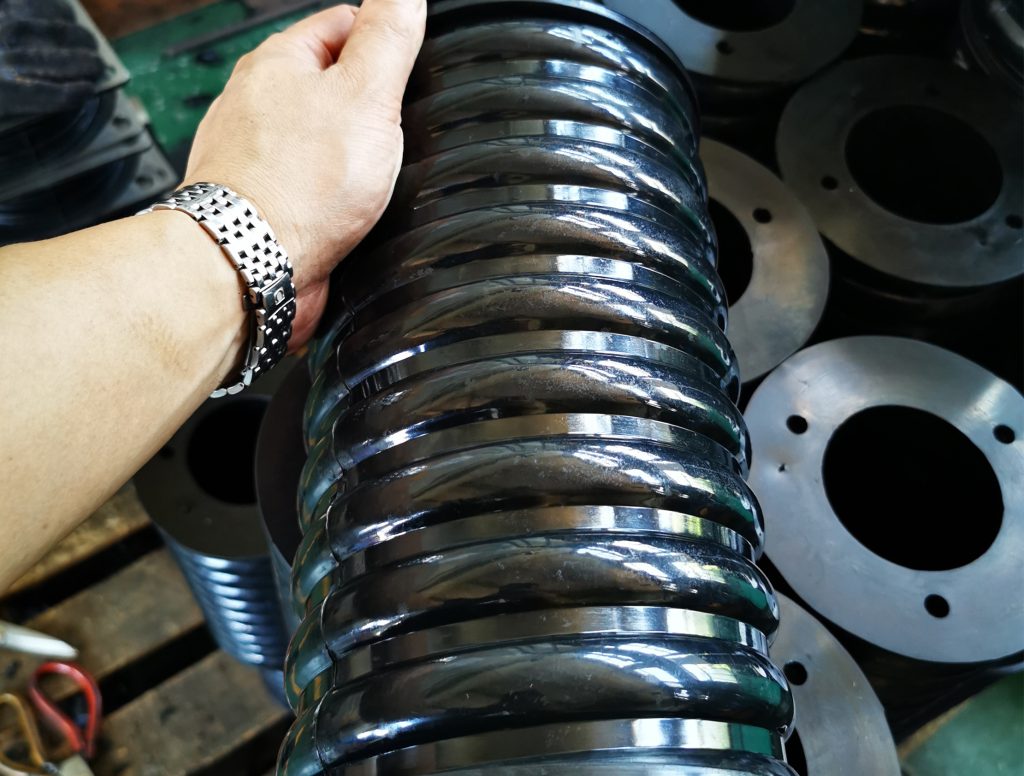
Spring Fatigue Failure Cases and Improvement Strategies in Construction Machinery | MAKEWAY In construction machinery, springs play a critical role in vibration control, load absorption, structural support, and motion mechanisms. However, under long-term cyclic loading and harsh operating environments, springs can experience fatigue failure, leading to equipment downtime, safety risks, and increased maintenance costs. At MAKEWAY, we work closely with engineering teams to analyze real failure scenarios and develop high-reliability spring optimization solutions. Our design and evaluation processes reference globally recognized engineering standards such as ASTM International, ISO, and SAE International. Typical Working Conditions in Construction Machinery Springs in construction and heavy equipment are exposed to demanding environments, including: High-frequency vibration and alternating loads Impact forces from ground shock and operating cycles Dust, moisture, oil contamination, and corrosion Temperature fluctuations and thermal stress Long-term outdoor exposure These conditions significantly accelerate fatigue accumulation and increase the probability of crack initiation and premature failure. Case 1 — Suspension Spring Fracture in a Wheel Loader A wheel loader experienced repeated suspension spring fractures near the coil transition region after several months of operation. Failure Findings Crack initiation occurred at surface machining marks Stress concentration appeared in the highest bending zone Insufficient shot-peening residual stress protection Overload exposure during uneven terrain operation Improvement Measures Optimized coil curvature and transition radius Applied enhanced shot peening for fatigue resistance Upgraded material to chromium-silicon alloy Introduced load spectrum verification testing After redesign and validation, the spring service life increased by over 3× in field applications. Case 2 — Torsion Spring Fatigue in Excavator Pedal Mechanism An excavator pedal return spring failed due to micro-crack propagation under repeated low-amplitude cycling. Root Cause Analysis Repeated micro-deformation near elastic limit Insufficient lubrication leading to friction wear Material inclusions detected under microscopy Lack of environmental corrosion protection Engineering Improvements Material upgraded to stainless steel 302/304 Surface polishing + anti-corrosion coating Added lubrication to reduce contact stress Adjusted working stroke to avoid overload These changes significantly improved long-term stability and reduced component replacement frequency. Methods We Use for Fatigue Analysis & Validation To prevent recurrence of failure, our engineering team performs comprehensive technical evaluation including: Finite Element Analysis (FEA) stress mapping Fatigue life prediction under cyclic loading Surface crack and fracture morphology inspection Material microstructure and hardness testing Environmental and corrosion effect simulation For technical reference purposes, readers may consult: Material Fatigue — Engineering Overview . Our Reliability-Oriented Improvement Strategies Application-specific material selection Stress concentration reduction in critical regions Shot peening and heat-treatment optimization Surface finishing to remove machining marks Protective coating for outdoor and corrosive environments Lifecycle-based design instead of static load design Through engineering-driven redesign, we help customers reduce unexpected failures, improve stability, and extend maintenance intervals. Work With MAKEWAY on Construction Machinery Spring Engineering MAKEWAY provides customized spring design, optimization, and production solutions for: Wheel loaders & excavators Road construction machinery Hydraulic and motion systems Shock absorption and vibration control assemblies Learn more about our engineering services on our website: MAKEWAY — Official Site or contact us here: Contact MAKEWAY. We help customers transform failure cases into long-term reliability improvements.
How We Customize High-Reliability Spring Solutions for Our Customers
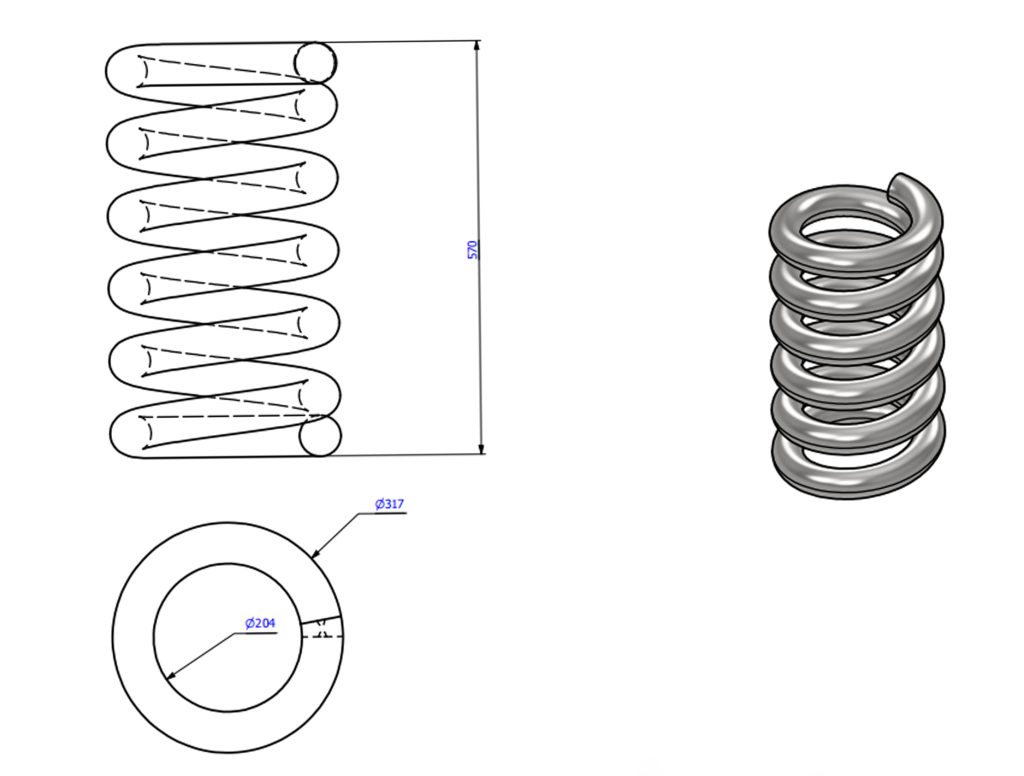
How We Customize High-Reliability Spring Solutions for Our Customers | MAKEWAY At MAKEWAY, we design and manufacture customized spring solutions for demanding applications — from industrial machinery to consumer electronics. Our mission is to help engineers and product developers achieve higher reliability, longer service life, and consistent performance through engineering-driven spring design. Our approach is rooted in industry standards and engineering best practices. For reference, we align our design and testing principles with internationally recognized organizations such as ISO, ASTM International, and SAE International. Understanding Customer Application Requirements Every high-reliability spring project begins with a detailed engineering consultation. We collaborate closely with customers to define: Operating load and deflection range Working environment (temperature, humidity, vibration, corrosion) Target fatigue life and reliability expectations Assembly constraints and tolerance limits Regulatory or certification requirements This application-driven approach ensures that the spring is not only functional, but optimized for durability, safety, and long-term stability. For foundational technical concepts, readers may also refer to Spring (mechanical device) — Engineering Overview . Engineering-Based Material Selection Material selection has a direct impact on spring performance and failure risk. Depending on the application, we evaluate options such as: Music wire / high-carbon steel Stainless steel (302 / 304 / 316) Oil-tempered chromium-silicon alloys Phosphor bronze or beryllium copper (electrical applications) Nickel-based alloys for extreme environments Our engineers match material properties to working conditions — including corrosion resistance, elastic modulus, magnetic behavior, and heat tolerance. Simulation, Fatigue Analysis, and Validation To minimize failure risk and maximize lifespan, we apply: Finite Element Analysis (FEA) Stress distribution modeling Dynamic load simulation Fatigue-life prediction under cyclic loading For safety-critical components, we also validate performance through prototype sampling and bench testing. Precision Manufacturing & Quality Control Our production process emphasizes consistency, dimensional accuracy, and process traceability. Key quality steps include: Automated winding & forming Heat treatment for stress relief Shot peening for fatigue enhancement Surface finishing and coating 100% dimensional and load testing (where required) By maintaining strict process control and inspection, we deliver springs engineered for stable performance across their full lifecycle. Industries & Application Scenarios We Support We provide custom spring solutions for a wide range of sectors, including: Industrial machinery & motion systems Consumer electronics & precision devices Automotive mechanisms & vibration isolation Lighting & structural support assemblies To learn more about our engineering capabilities and cooperation process, please visit our website: MAKEWAY — Official Site or contact us directly at Contact MAKEWAY. Partner With Us for Reliable Custom Spring Solutions Whether you are improving an existing product or developing a new system, MAKEWAY provides end-to-end support — from concept design to mass production. Our engineering-driven approach helps customers reduce risk, improve reliability, and achieve better performance outcomes. Let us help you build a high-reliability spring solution that fits your application.
Corrosion Mechanisms in Springs and Protective Strategies
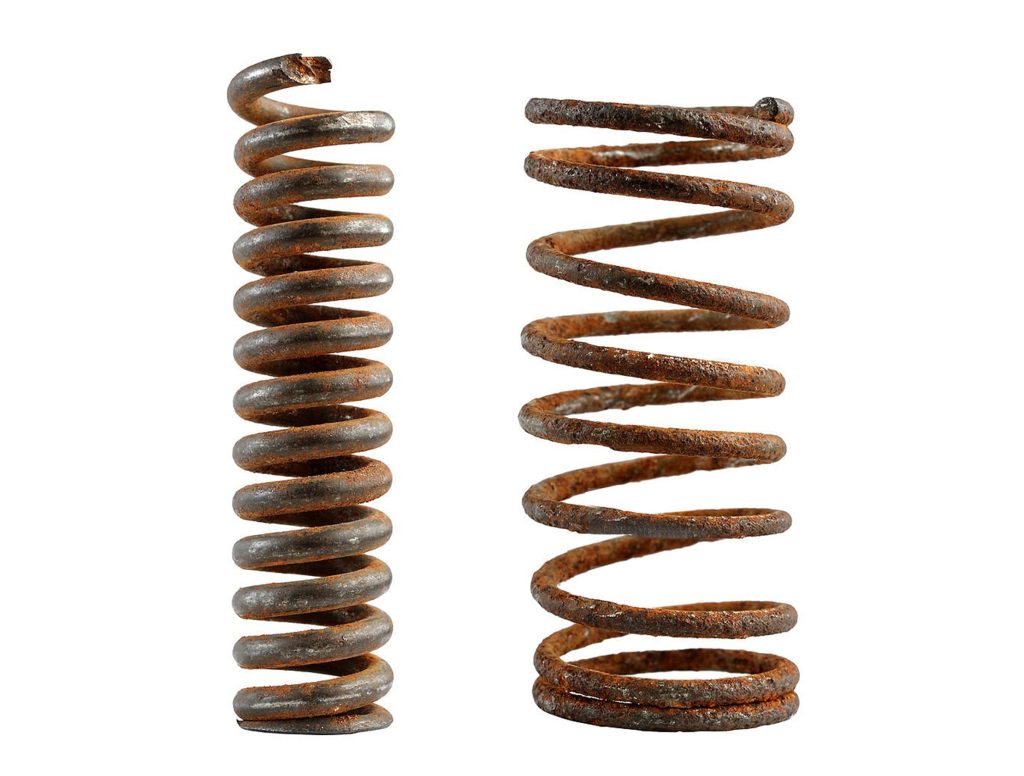
Spring Corrosion Mechanisms & Protection Strategies Springs used in industrial products, outdoor devices, machinery, and electronic components frequently operate in environments where moisture, chemicals, and mechanical stress accelerate corrosion. Understanding the corrosion mechanisms in springs is essential for engineers who want to extend product lifespan, improve reliability, and minimize failure rates. 1. Why Spring Corrosion Matters Corrosion not only weakens spring load capacity but also alters stiffness, causes dimensional changes, and accelerates fatigue crack growth. These effects are especially critical in high-performance assemblies such as actuators, outdoor mechanisms, automotive parts, and precision control devices. To explore how springs are applied in various industries, visit MakeWay LLC – Industrial Spring Solutions. 2. Common Corrosion Mechanisms in Springs 2.1 Uniform Corrosion This occurs when the entire spring surface reacts evenly with oxygen, moisture, or chemical exposure. It is common for carbon steel springs used in humid or outdoor environments. 2.2 Pitting Corrosion Pitting is one of the most dangerous forms of corrosion for springs. Tiny surface imperfections develop into deep pits that act as crack initiation points, severely reducing fatigue strength. Stainless steel is more resistant, but chloride environments still cause pitting. Reference data available at Corrosion Doctors. 2.3 Stress Corrosion Cracking (SCC) A combination of tensile stress and corrosive media (e.g., chlorides or ammonia) leads to SCC. High-strength materials like music wire (ASTM A228) are particularly vulnerable. 2.4 Galvanic Corrosion Occurs when springs contact dissimilar metals in the presence of an electrolyte. For example, pairing carbon-steel springs with copper or aluminum parts can accelerate corrosion. 2.5 Crevice Corrosion Moisture trapped between coils or inside assemblies creates localized oxygen-depleted zones, encouraging accelerated corrosion. 3. Factors That Accelerate Spring Corrosion High humidity and outdoor exposure Salt spray or chloride environments Industrial chemicals and oils Temperature cycling causing condensation Residual stresses from manufacturing Poor surface finish or micro-cracks Springs working in marine, agricultural, and outdoor lighting applications (e.g., landscape devices) are especially prone to corrosion-related failures. 4. Protective Strategies for Springs 4.1 Material Selection Choosing the right material is the first—and most effective—line of defense: Stainless Steel (302 / 304 / 316): excellent corrosion resistance 17-7PH: good mechanical strength + corrosion resistance Music Wire + Coating: economical but requires surface protection Inconel / Hastelloy: extreme chemical and temperature resistance 4.2 Surface Coating Technologies Surface treatments significantly extend spring lifespan: Zinc plating – economical corrosion protection Phosphate coating – good lubrication & wear resistance Black oxide – mild corrosion resistance, aesthetic finish Electroless nickel plating – excellent uniform coverage Teflon / PTFE coating – reduces friction & corrosion 4.3 Environmental Controls Using seals, gaskets, or enclosures helps reduce exposure to moisture or chemicals. Proper drainage design also prevents water accumulation on or between coils. 4.4 Stress Relief Heat Treatment Heat treatment reduces internal stresses, decreasing the likelihood of stress corrosion cracking. Precision manufacturers rely on controlled-temperature ovens to ensure repeatability. 4.5 Regular Maintenance and Inspection In industrial systems, periodic cleaning and lubrication significantly slow down corrosive wear. Replacing springs before they reach critical wear stages prevents major equipment failures. 5. Designing for Corrosion-Resistant Spring Applications Engineers should consider: Spring orientation to avoid moisture accumulation Use of drain holes in assemblies Avoiding dissimilar metal contact Specifying required salt-spray performance (ASTM B117) Using coatings that maintain flexibility under cyclic loads For applications requiring custom corrosion-resistant spring designs, visit MakeWay LLC – Custom Spring Engineering. 6. Conclusion Corrosion is a major cause of spring degradation and failure, especially in outdoor, marine, and industrial environments. By understanding corrosion mechanisms and applying the appropriate protective strategies—material selection, coating, heat treatment, and environmental control—engineers can significantly extend the service life and reliability of spring components.
Torque and Angular Displacement Accuracy Analysis in Torsion Springs
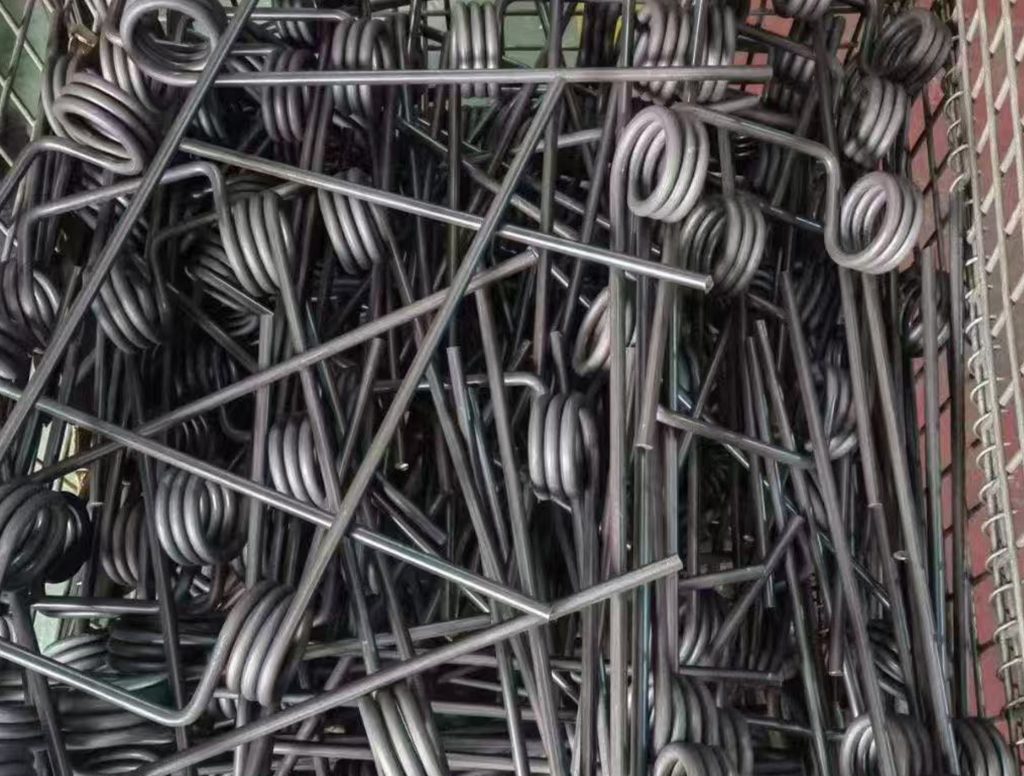
Torque and Angular Displacement Accuracy in Torsion Springs Torsion springs are widely used in applications requiring precise rotational force—such as automotive actuators, industrial machinery, consumer electronics, hinges, and precision control systems. As product tolerances become more demanding, the accuracy of torque vs. angular displacement has become a critical engineering consideration. 1. The Linear Relationship Between Torque and Angle In the elastic deformation range, torsion springs generally follow a near-linear relationship: T = kθ Where: T = Torque (N·mm or N·m) k = Torsional spring constant θ = Angular displacement However, real-world torsion springs rarely achieve perfect linearity due to material behavior, coil geometry, residual stresses, and manufacturing tolerances. 2. Key Factors That Affect Torque–Angle Accuracy 2.1 Wire Diameter Tolerance Even a 0.01–0.02 mm deviation in wire diameter can produce a measurable difference in spring constant. High-precision applications typically use ±0.005 mm wire tolerance to minimize variation. 2.2 Inner Diameter & Coil Winding Variation Small changes in the inner diameter (ID) or coil pitch cause the torque curve to deviate from the design model. CNC coiling machines help reduce this variation significantly. 2.3 Heat Treatment and Residual Stress Improper stress relief introduces internal tension that causes “non-linear” torque behavior at small angular deflections. High-temperature, precisely timed stress-relief treatment is essential for accuracy. 2.4 Arm Geometry and Loading Method The length, angle, and loading conditions of the spring arms can greatly influence torque accuracy. Engineering designs often use arm fixtures with a fixed radial reference to avoid shifting load points. 2.5 Friction and Surface Treatment Surface roughness, coating thickness, and contact friction between coils can introduce repeatability errors. Common improvements include: Shot peening Deburring and polishing Teflon or nickel coating Lubrication under controlled conditions 3. Methods for Improving Angular Accuracy 3.1 Finite Element Simulation (FEA) Using FEA tools (e.g., ANSYS, SolidWorks Simulation) allows engineers to predict torque–angle curves more accurately before production. For visualization and theory reference, engineers may refer to Engineering Toolbox. 3.2 Optimizing Coil Geometry Increasing the number of active coils can reduce sensitivity to tolerance variation. For precision devices like micro-hinges or actuators, designers often adopt: Multi-stage coil structures Progressive-rate torsion layouts Variable arm leverage profiles 3.3 High-Precision Material Selection Materials such as music wire (ASTM A228) and 17-7PH stainless steel offer excellent repeatability and stable torsional characteristics. 3.4 Real-Time Torque Testing Precision torque testing is essential for high-end torsion springs. At MakeWay, we emphasize accurate spring performance for industrial clients with diverse spring solutions. Learn more about our spring supply capabilities here: MakeWay LLC – Industrial Spring Solutions. 4. Measurement Techniques for Torque–Angle Accuracy Common testing methods include: Digital torque–angle analyzers Laser displacement sensors High-resolution rotary encoders Automated torque testing fixtures High-speed sensors with ±0.1° resolution are typically used in the electronics and robotics industries. 5. Conclusion Torque and angular displacement accuracy are key performance indicators for torsion springs, especially in precision industries. By optimizing material selection, coil geometry, heat treatment, and test validation, manufacturers can achieve highly stable and repeatable torque performance suitable for demanding applications.
Spring Dynamics in Vibration Control: Response Speed, Energy Absorption, and System Stability
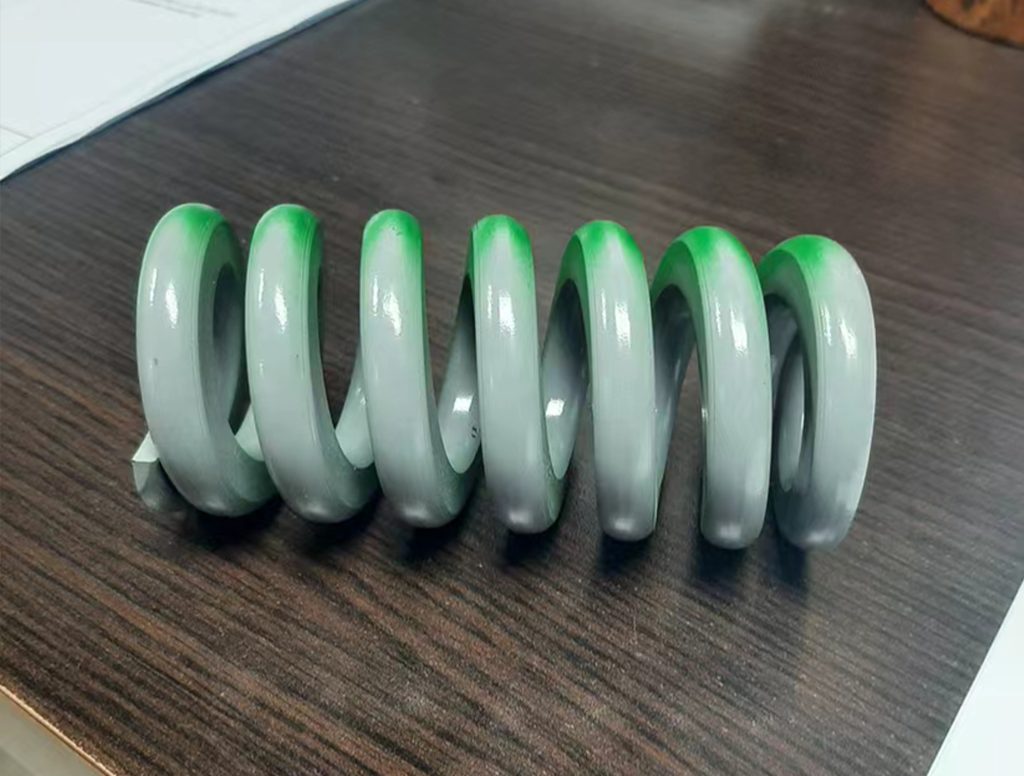
Author: Makeway Engineering Team | Updated: November 2025 Introduction Springs play a critical role in vibration control and dynamic system stability. In industrial equipment, automotive suspensions, robotics, and even high-speed consumer electronics, springs act as mechanical energy buffers that absorb, store, and release energy under cyclic loads. This article explores the engineering principles behind spring dynamics, focusing on response speed, damping integration, energy absorption efficiency, and how spring characteristics influence system resonance. Response Speed and Dynamic Behavior Spring response speed determines how quickly a system returns to equilibrium after experiencing a disturbance. Faster response is required in high-frequency applications such as: Precision actuators Camera lens stabilizers Robotic end-effectors High-speed mechanical linkages A spring’s response speed is influenced by stiffness (k), mass of the connected components, and damping ratio. Engineers commonly apply harmonic oscillator theory to evaluate real-world performance. Energy Absorption and Shock Management In dynamic systems, springs mitigate shock by converting kinetic energy into potential energy. Key factors affecting shock absorption include: Spring stiffness — determines how much energy can be absorbed before deformation. Material modulus — impacts resilience and maximum elastic limit. Coil diameter and pitch — influence energy distribution and stress concentration. Integration with dampers — improves system stability and prevents oscillation buildup. For industrial equipment requiring high shock tolerance, Makeway offers custom-engineered compression and torsion springs. Learn more here: Makeway LLC. Resonance Avoidance and System Stability When external vibrations match the natural frequency of a spring-mass system, resonance can cause severe performance degradation or mechanical failure. Engineers must control parameters such as: Spring rate optimization to shift natural frequency Damping coefficient tuning to reduce amplitude Mass distribution adjustments in moving assemblies Multi-spring systems to divide oscillation energy A detailed overview of resonance physics is available at Engineering Toolbox. Dynamic Testing and Validation Advanced spring testing helps ensure long-term stability and predictable performance in oscillatory systems. Key methods include: Dynamic load testing at varying frequencies Hysteresis measurement to evaluate energy loss per cycle Fatigue testing to determine failure thresholds under repetitive stress Vibration table analysis to simulate real-world operating environments For custom dynamic performance testing, visit our contact page. Applications in Modern Engineering Dynamic springs are essential in: Automotive suspension – managing road vibration and ensuring ride comfort Robotics – stabilizing high-speed joints Medical devices – enabling smooth motion control Industrial machinery – reducing mechanical noise and vibrational fatigue These applications rely heavily on precise tuning of stiffness, preload, damping, and fatigue resistance to ensure predictable behavior. For vibration-optimized spring solutions and engineering support, visit Makeway LLC.
Advanced Spring Engineering: Material Selection, Dynamic Load Analysis, and Custom Solutions
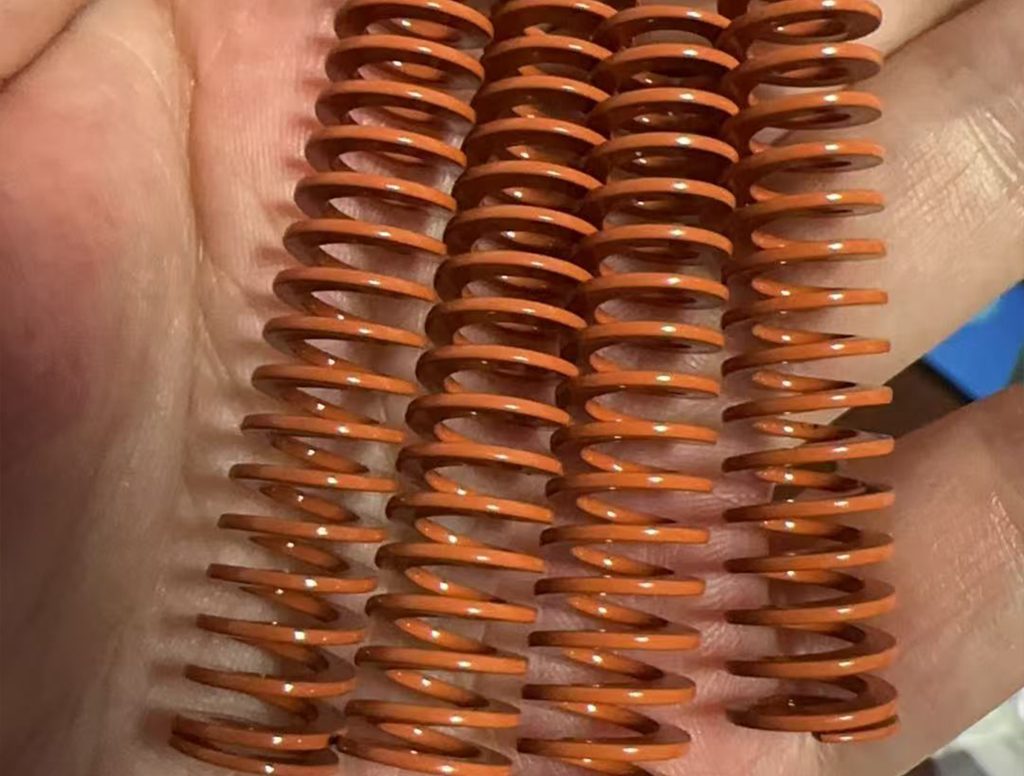
Introduction Modern mechanical and electronic systems increasingly demand springs that perform reliably under dynamic loading, temperature variation, and long-term fatigue conditions. Optimizing spring performance is not only about geometry but also material properties, surface treatment, and manufacturing precision. This article explores advanced strategies for designing and producing high-performance springs in industrial and precision applications. Material Selection for High-Performance Springs Material choice is critical for springs subjected to cyclic loading or harsh environments. Common high-performance materials include: High-carbon steel (Music Wire, ASTM A228) — excellent tensile strength and fatigue resistance for precision compression and extension springs. Alloy steels — suitable for high-load torsion springs and industrial applications requiring elevated strength. Stainless steel (302, 316) — ideal for corrosion resistance in outdoor or chemically aggressive environments. Phosphor bronze or beryllium copper — used for conductive springs in electronics or EMI-sensitive applications. Reference: Spring Steel & Music Wire Specifications. Dynamic Load and Fatigue Analysis Springs in dynamic environments experience varying forces that can lead to fatigue failure. Accurate prediction requires: Load spectrum analysis to capture variable amplitude forces. Finite Element Analysis (FEA) with nonlinear material models for coil stress concentration areas. Consideration of mean stress and stress-relief factors. Using these methods, engineers can optimize coil geometry, wire diameter, and number of active coils to extend operational life. Reference: FEA for Fatigue Life Estimation. Surface Treatments and Coatings Surface condition directly affects fatigue life. Common techniques include: Shot peening — introduces compressive residual stresses to delay crack initiation. Electropolishing or passivation — removes micro-cracks and improves corrosion resistance. Coatings (phosphate, PTFE, or zinc) — protect against corrosion and wear while maintaining tolerance. Reference: Spring Surface Treatments Overview. Custom Spring Solutions For applications requiring precise force-displacement characteristics, Makeway provides tailored solutions including: Custom compression, extension, and torsion springs with exact tolerances. Specialized alloys for high-temperature or corrosive environments. Prototyping and small-batch production with FEA validation. Contact Makeway for consulting and custom spring design: Contact Page or visit our Home Page. Case Study: High-Load Torsion Spring for Industrial Equipment A manufacturing client required a torsion spring capable of repeated 180° rotation at high torque. Challenges included high stress at end coils and surface fatigue. Makeway solution: Alloy steel selection with high yield strength. Optimized coil geometry validated with FEA. Shot peening and passivation to extend fatigue life. Outcome: Spring achieved 500,000 cycles without failure, exceeding initial requirements. Further Reading & References Music Wire and Steel Specifications FEA for Spring Fatigue Surface Treatment Overview ISO Standards Search For advanced spring engineering, custom solutions, and prototyping,
Optimizing Spring Fatigue Life: Design, Simulation, and Surface Treatments
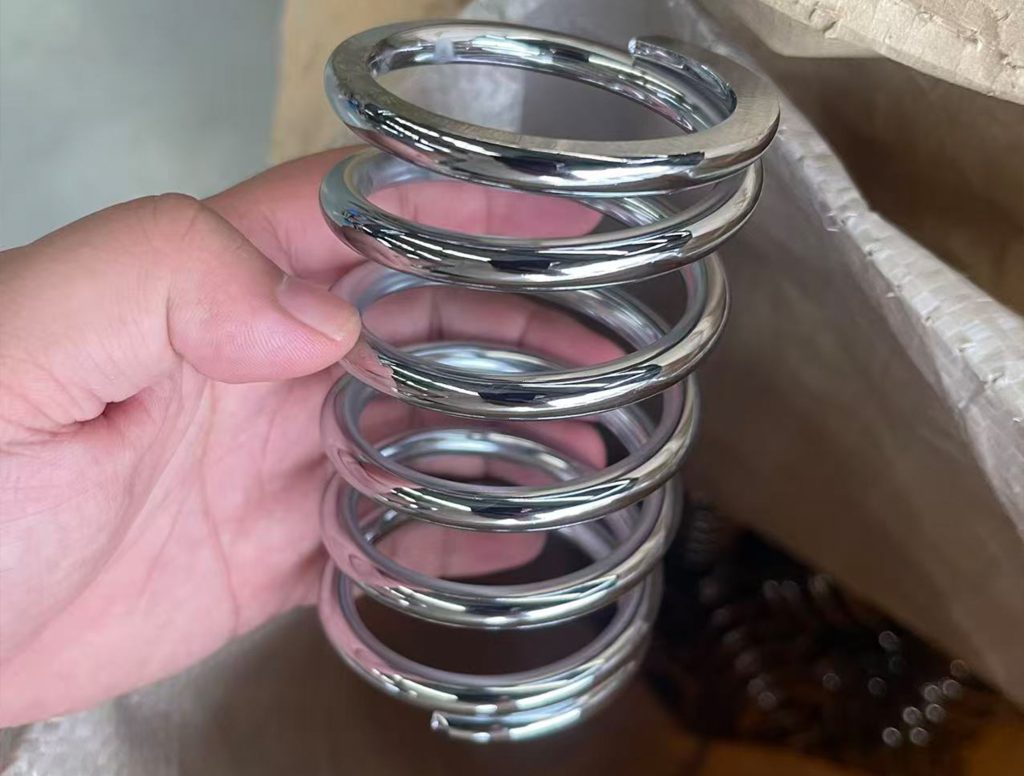
Overview For high-cycle and safety-critical applications, spring failure is rarely the result of a single design mistake — it is usually the outcome of material limits, stress concentrators, surface condition, manufacturing steps, or improper testing. This article outlines practical engineering approaches to extend spring fatigue life through design, finite element analysis (FEA), surface treatments, and optimized manufacturing workflows. Fatigue Mechanisms & Key Failure Modes Springs typically fail by fatigue: crack initiation at the surface or at geometric stress concentrators, followed by crack propagation and sudden fracture. Environmental factors (corrosion, temperature) and mean stress levels accelerate fatigue. Understanding where cracks start (end coils, transitions, notches) helps prioritize design and treatment actions. For empirical and experimental fatigue studies of leaf and coil springs, see documented fatigue assessments and lab testing protocols. :contentReference[oaicite:0]{index=0} Design with FEA: Best Practices Use nonlinear FEA to capture contact, large deflection, and residual stress effects. Recommended workflow: Start with hand calculations (spring constant, stresses) to set target geometry. Build a 3D solid model (not just beam elements) for high-stress regions such as ends and transitions. Include manufacturing residual stresses (from cold forming or shot peening) where possible — these change local mean stress and fatigue life predictions. Run load-spectrum or cycle counting simulations for real service loading rather than single static loads. FEA-driven fatigue life estimation and optimization is well established in the literature and improves first-pass reliability. :contentReference[oaicite:1]{index=1} Surface Treatments That Improve Fatigue Life Surface condition is the single most important controllable factor for fatigue life. Key treatments: Shot peening — imparts compressive surface residual stresses and improves crack-initiation resistance. Passivation / Electropolishing — removes embedded iron particles and improves corrosion resistance for stainless springs. Plating & coatings (zinc, phosphate, PTFE, powder coat) — tradeoffs between corrosion protection and dimensional tolerance must be managed. Stress-relief heat treatment — reduces work-hardened tensile residuals from forming operations. Manufacturers commonly combine heat treatment, shot peening and appropriate coatings to maximize life while staying within dimensional and tolerance budgets. :contentReference[oaicite:2]{index=2} Manufacturing Choices: Cold vs Hot Coiling, Heat Treats, and Setting Process selection affects microstructure and residual stress: Cold coiling (room temperature) preserves wire temper for thin wire and high-volume precision springs; requires careful stress relief. Hot coiling is used for thick wire or large-diameter springs where ductility during forming is needed. Grinding and end finishing for compression springs reduces end-face stress concentrations and improves seating stability. Setting (pre-cycling) removes early plastic deformation and stabilizes free length and spring rate before shipment. Practical manufacturing steps (coiling, heat treatment, shot peening, setting, coating) are summarized by multiple industry references. :contentReference[oaicite:3]{index=3} Testing, Standards, and Traceability Validate designs with standardized testing: load-deflection curves, block-load fatigue tests, and material certification. International standards (ISO, ASTM, EN) define test methods and acceptance criteria; adopting them improves cross-vendor comparability and reduces field failures. :contentReference[oaicite:4]{index=4} Short Case Study: Extending Life for a High-Cycle Compression Spring Problem: a precision compression spring in a consumer product experienced crack initiation at the top coils after ~200k cycles. Countermeasures implemented: revised end geometry to reduce stress concentration, added shot peening to increase compressive near-surface stress, switched to a higher-grade music wire with tighter diameter control, and implemented a post-manufacture setting cycle. Result: field life increased beyond 2 million cycles in lab tests. If you’d like, Makeway can support FEA checks, prototype runs, and pilot testing — contact us via our contact page or visit our home page. Further Reading & Resources Fatigue Life Assessment of Leaf Springs (PMC). :contentReference[oaicite:5]{index=5} FEA and Fatigue Life Papers. :contentReference[oaicite:6]{index=6} Spring Surface Treatments (Century Spring). :contentReference[oaicite:7]{index=7} Spring Manufacturing Overview (CoilingTech). :contentReference[oaicite:8]{index=8} ISO Standards — Search for spring test standards. :contentReference[oaicite:9]{index=9} Need hands-on support? Makeway offers FEA consulting, prototype spring runs, and fatigue testing programs. Contact us.
Spring Design Guide: Materials, Types, Standards & Engineering Basics
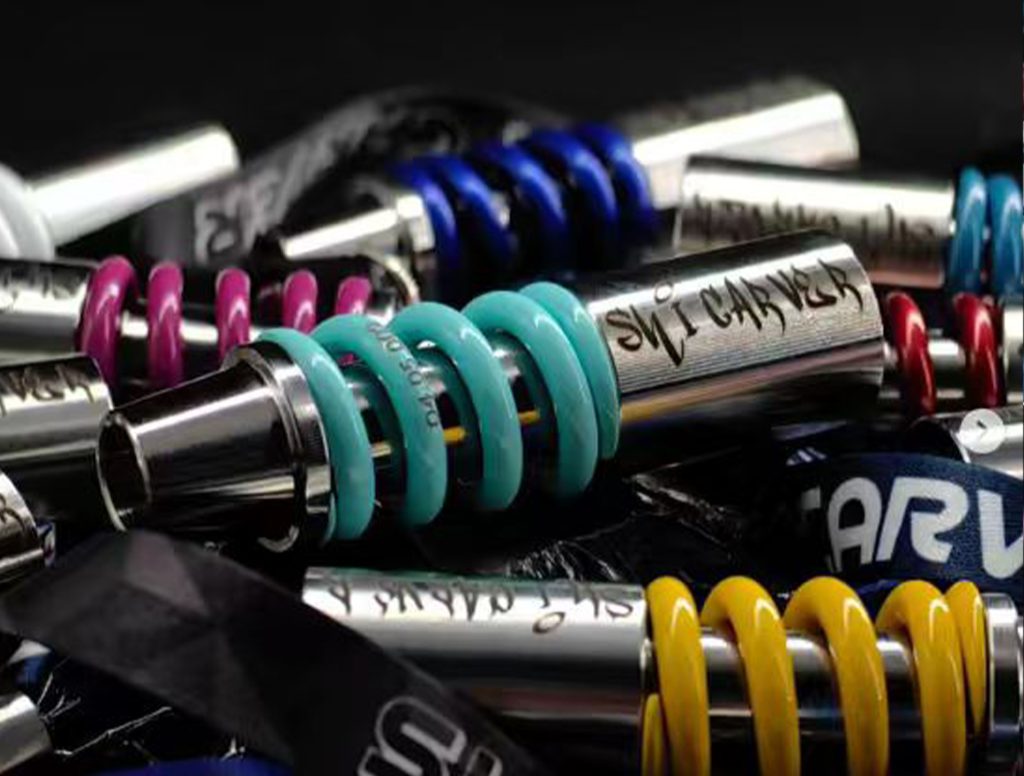
Introduction: Why Springs Matter in Product Performance Springs are simple yet critical components in countless mechanical and electronic systems. A well-designed spring directly affects product responsiveness, durability, and overall reliability. From the tactile feel of consumer electronics buttons to automotive suspensions, precision instruments, molds, and industrial machinery, springs play essential roles in energy storage, cushioning, preload maintenance, and motion control. What Is a Spring? A Brief Definition and Mechanical Principles A spring is an elastic mechanical component that stores energy when deformed and returns to its original shape after the load is released. For small deflections, the force and displacement maintain a near-linear relationship, commonly known as Hooke’s Law. (Reference: Spring definition on Wikipedia). Hooke’s Law and Spring Constant Hooke’s Law states: F = -k x, where k is the spring constant and x is the displacement. The spring constant is determined by material, wire diameter, coil count, and outer diameter—making it a key factor in satisfying load and travel requirements. (Reference: Basic engineering explanation of Hooke’s Law on EngineeringToolbox). Common Types of Springs and Their Applications Compression Springs: Used for compressive loads; common in buttons, shock absorbers, valves, and cushioning systems. Extension (Tension) Springs: Work under tensile forces; used in locks, return mechanisms, and mechanical linkages. Torsion Springs: Store rotational energy; used in hinges, triggers, and motion control mechanisms. Constant-Force and Variable-Rate Springs: Applied in scenarios requiring uniform force output or nonlinear stiffness responses. (Reference: Industry articles on spring types and applications). Material Selection: Why Music Wire and Stainless Steel Are Often Preferred Common spring materials include high-carbon steel (such as Music Wire, ASTM A228), stainless steel for corrosion resistance, alloy steels, and phosphor bronze. Music Wire offers exceptional tensile strength and elasticity, making it ideal for high-fatigue precision springs. Stainless steel is preferred for outdoor or corrosive environments. Mechanical performance, fatigue strength, and temperature resistance vary significantly among materials. (Reference: Material specifications on Music Wire and spring steel standards). Testing and Standards: Ensuring Spring Quality When springs are produced for industrial or international markets, compliance with standards is crucial. Organizations like ISO and ASTM define measurement, tolerance, mechanical testing, and material requirements for cold-formed compression springs and other spring types. These standards play a vital role in mass production and quality assurance. (Reference: ISO mechanical spring standards and related guides). Key Design Considerations: From Concept to Manufacturability Define mechanical requirements—maximum/minimum load, travel, operating frequency, fatigue cycles. Select appropriate material based on environmental conditions, elasticity, and cost. Design geometric parameters—wire diameter, coil count, free length, and diameter affect stiffness and stability. Surface treatment and fatigue resistance—phosphating, plating, or stress relieving can improve lifespan. Manufacturing tolerance and quality inspection—including load-deflection testing, fatigue testing, material certification, etc. Failure Modes and Maintenance Recommendations Typical spring failures include fatigue fracture, permanent deformation, corrosion-induced strength loss, and wear. Preventive measures may include using higher-grade materials, reducing stress concentration, adding redundancy (parallel spring design), improving lubrication, applying protective coatings, and conducting periodic mechanical testing. Application Examples 1) Consumer Electronics: Precision compression and extension springs ensure silent, reliable button rebound. 2) Mold Industry: High-load die springs utilize alloy materials and follow strict ISO or supplier-specific grading systems. 3) Automotive Systems: Coil springs paired with shock absorbers require long-term fatigue resistance and dimensional stability. Useful Resources Makeway Official Website — Custom spring development, engineering support, and prototype services. Spring — Wikipedia Hooke’s Law — EngineeringToolbox Types of Springs — Fictiv Music Wire Material Reference For custom spring design, material selection guidance, or prototype development, please contact us. We provide engineering support, FEA validation, and small-batch production services.
Using Springs for Vibration Control — Have You Noticed These Industrial Design Details?
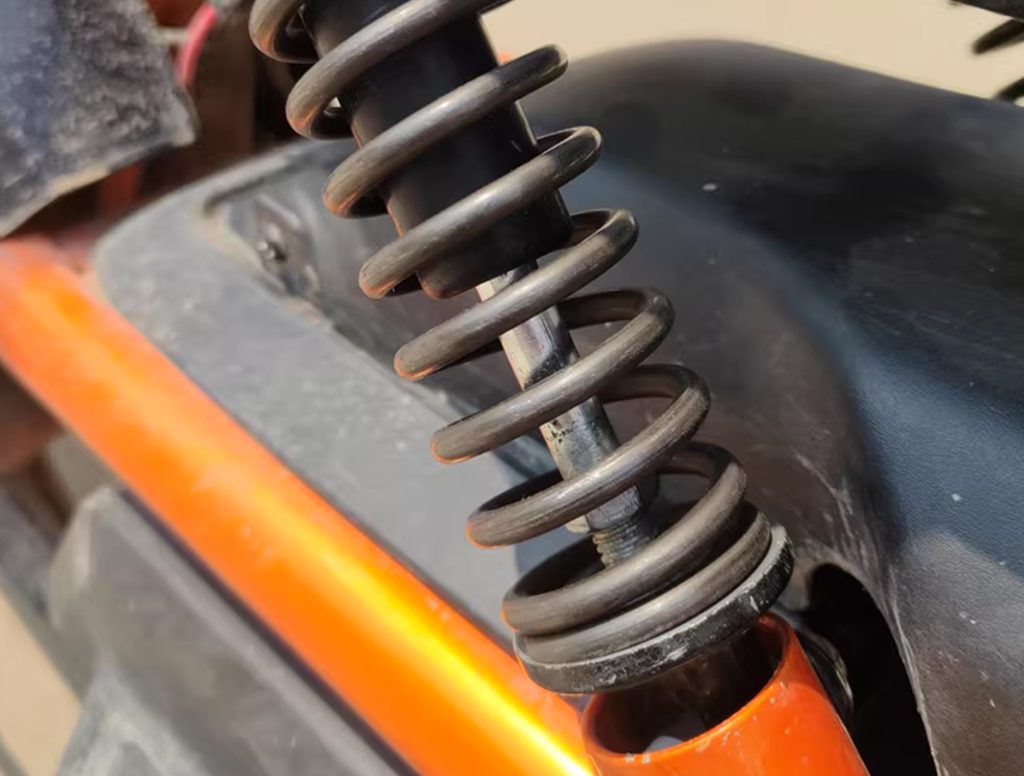
Spring-Based Vibration Control: Industrial Design Details Focus keyword: vibration control springs Introduction Springs are simple mechanical elements, but when applied to vibration control they become critical components that determine system performance and reliability. Whether isolating a precision instrument from building vibrations or damping heavy industrial equipment, understanding the small design choices — from material to mounting — separates a robust solution from a failing one. For an overview of custom spring products, visit our product catalog. How Springs Work in Vibration Control At its core, vibration control with springs relies on the interplay between stiffness (k), mass (m), and damping (c). Springs provide elastic restoring forces that set the system’s natural frequency (ωₙ = √(k/m)). Properly tuned, a spring-mass system can shift the natural frequency away from excitation frequencies and reduce transmitted vibration. To explore vibration theory further, check resources like Engineering Toolbox. Key Industrial Design Details 1. Material selection The choice of spring material affects fatigue life, creep, corrosion resistance, and allowable stress. Common choices include stainless steels (304, 316) for corrosion resistance, high-carbon steels for economical stiffness, and alloy steels (chrome-silicon, chrome-vanadium) for high-cycle fatigue. For high-temperature or chemically aggressive environments, consider Inconel or phosphor bronze. See ASTM standards for material guidance. 2. Geometry and stiffness tuning Wire diameter, coil diameter, number of coils, and active length determine a coil spring’s stiffness. For vibration control springs, target stiffness that positions the system’s natural frequency well outside dominant excitation bands. In multi-degree-of-freedom systems, tune different springs for directional stiffness (vertical vs. lateral). Learn more in our engineering blog. 3. Damping strategy Pure springs are conservative (low inherent damping); adding damping is often essential to prevent resonant amplification. Strategies include viscous dampers paired with springs, viscoelastic layers or pads, and tuned mass dampers. A useful reference is ScienceDirect on vibration damping. Short Case Example A precision optical instrument required isolation from building vibrations at 10–30 Hz. By increasing the support spring deflection (reducing stiffness) and adding a small viscous damper, the system natural frequency dropped below 6 Hz and peak transmissibility decreased by more than 60%. Learn how Makeway supports industrial spring applications with tailored solutions. Conclusion Using springs for vibration control is more than selecting a component — it’s a systems engineering problem that blends materials, geometry, damping, mounting, and testing. By following SAE vibration standards and focusing on real-world testing, you can create solutions that are both effective and durable. © 2025 Makeway LLC | See more about our compression springs and extension springs.
Industrial Spring vs Consumer Spring: What’s the Difference?
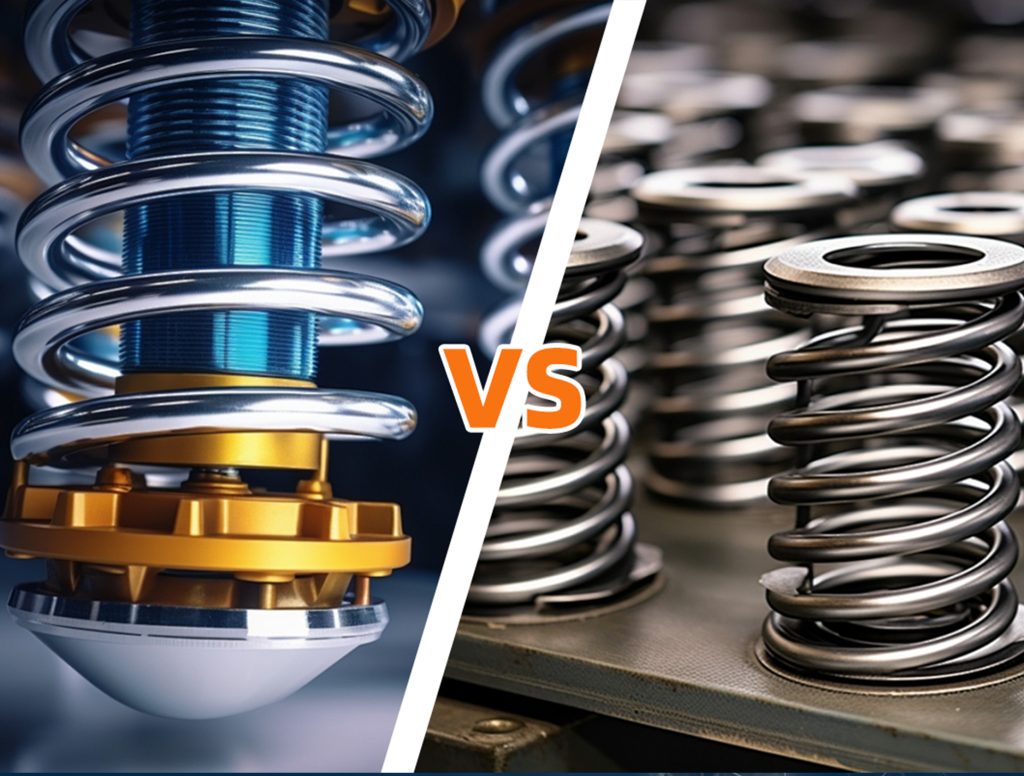
Industrial Spring vs Consumer Spring: What’s the Difference? | MAKEWAY Industrial Spring vs Consumer Spring: What’s the Difference? If you’re weighing industrial vs consumer spring options (focus keyword variant: industrial vs ronsumer spring), this guide explains how they differ in performance requirements, tolerances, materials, standards, and total cost of ownership—so you can choose the right spring for your application. Quick Summary Industrial springs are engineered for high loads, long lifecycles, tight tolerances, and compliance with formal standards. Consumer springs prioritize cost, aesthetic finish, and adequate performance for lighter-duty use. Both have their place—match the spring to the job. Side-by-Side Comparison Criteria Industrial Spring Consumer Spring Typical Use Machinery, automation, valves, clutches, heavy equipment Appliances, toys, consumer electronics, furniture Load & Fatigue Life High loads; validated fatigue life cycles; endurance-critical Light to moderate loads; lifecycle balanced with cost Tolerances Tighter dimensional and force tolerances; SPC/PPAP possible General tolerances sufficient for fit and function Materials Alloy steels, stainless (e.g., 17-7PH), special coatings for corrosion/heat Music wire, carbon steel, stainless for cosmetics/corrosion Standards & Compliance Often aligned with ISO 9001 QMS and material standards like ASTM A228 (music wire) Basic safety, RoHS/REACH by product category; fewer formal audits Validation & Testing Force-deflection curves, stress-relief, fatigue testing, certificates Spot checks for function and appearance Cost Drivers Engineering time, certified materials, QC documentation Unit price, cosmetics, volume production efficiency Helpful references: spring steels and fatigue concepts are discussed by NIST (fatigue fundamentals) and material standards like ASTM. For workplace safety around spring-loaded mechanisms, see OSHA machine guarding. When to Choose an Industrial Spring High or variable loads, or critical fatigue life targets Demanding environments: heat, corrosion, vibration, contamination Tight force or dimensional tolerances impact system performance Documentation required: PPAP, traceability, or compliance audits Need engineered performance? Explore MAKEWAY’s capabilities and ask our team for a design review: www.makeway-llc.com. When a Consumer Spring Is Enough Lighter loads and non-critical duty cycles Cost sensitivity and high production volumes Primary concerns are fit, feel, and basic durability Materials & Finishes You’ll See Music wire (ASTM A228): excellent strength for small wire diameters; widely used in both industrial and consumer parts. See the standard at ASTM. Stainless steels (302/304/316, 17-7PH): corrosion resistance; 17-7PH adds strength and good spring properties. Alloy steels (e.g., chrome-silicon, chrome-vanadium): higher temperature and fatigue resistance for severe duty. Coatings: zinc, phosphate, e-coat, or PVD for corrosion, lubricity, and cosmetics. Standards, Quality, and Safety Industrial applications often require documented processes and control plans under a quality system like ISO 9001. Material and process consistency can be tied to standards published by groups such as ASTM International. For safety around spring-loaded mechanisms in machinery, refer to OSHA’s guidance on machine guarding. How to Specify the Right Spring Define operating conditions: load range, stroke, temperature, environment, expected cycles. Set tolerances that matter: free length, spring rate, load at working heights. Choose material & finish: match corrosion/temperature and fatigue needs. Plan validation: force testing, fatigue testing, and PPAP documentation if required. Consider lifecycle costs: a higher-grade industrial spring may reduce downtime. Get application-specific guidance from MAKEWAY engineers: www.makeway-llc.com. FAQ Are industrial springs always better? No. They’re optimized for demanding conditions and documentation. For light-duty consumer products, a simpler spring is often the best value. Can I use a consumer spring in light industrial equipment? Possibly, if loads are modest and failure risk is low. Validate with force and fatigue testing and consider safety factors. See NIST’s fatigue fundamentals at nist.gov. © MAKEWAY. All rights reserved.